Personal rights
Photo sharing law in Georgia
Photo sharing law in Georgia. Georgia photo-sharing law: consent, public places, open profiles, children, advertising, AI edits, copyright, takedown and complaint routes.
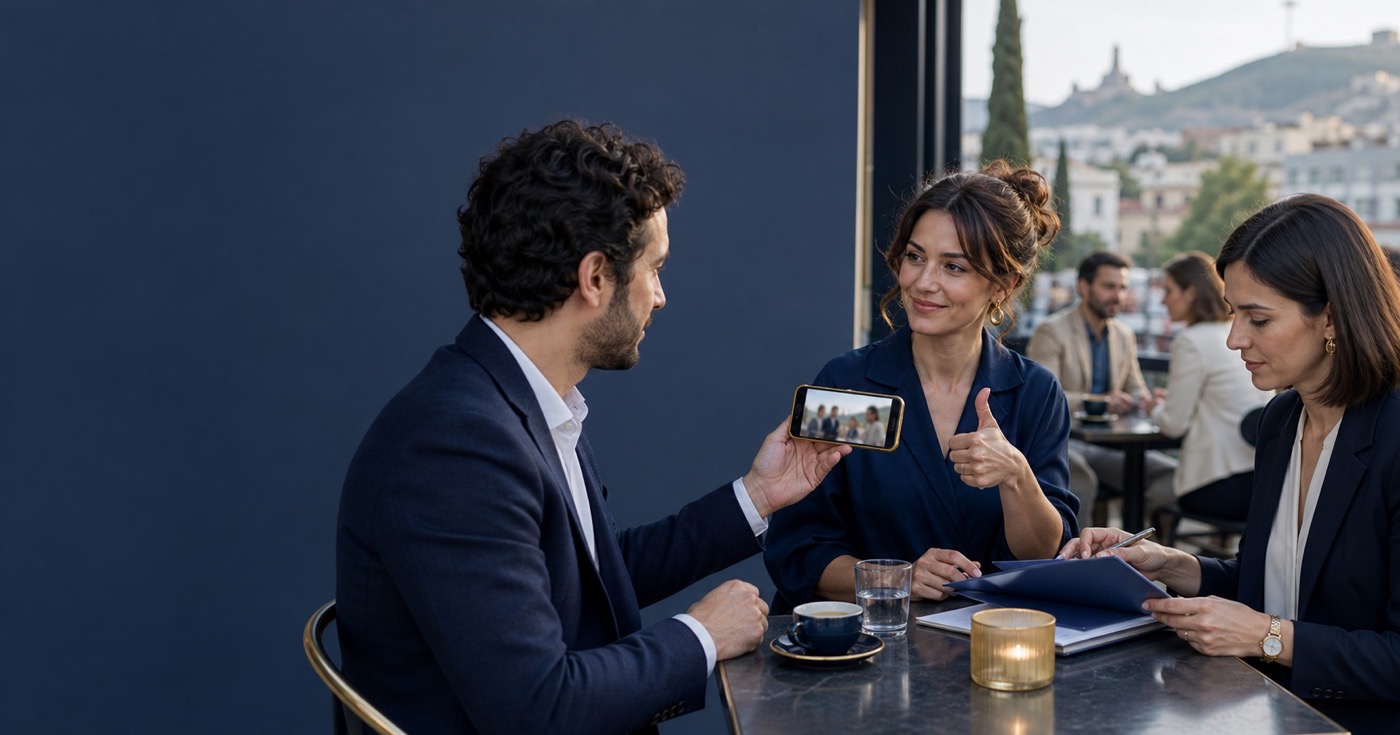
Posting another person’s photograph is not automatically unlawful, but publication without consent can infringe image, privacy, dignity and personal-data rights. The result depends on where the image was taken, whether the person is identifiable, the purpose and context of publication, the audience and any genuine public interest.
Taking and publishing a photo are different
Consent to be photographed may not cover publication on a public account, use in an advertisement or reuse with a meaning-changing caption. Purpose, audience, platform and scope of consent must be considered.
Georgia’s legal framework
Article 18 of the Civil Code protects image, privacy and dignity and may support an order to stop dissemination and, where the legal conditions are met, damages. The article lists exceptions connected with public recognition or office, justice and law enforcement, scientific, educational or cultural purposes, public circumstances and paid posing. Those exceptions are not an unlimited licence: relevance, purpose and proportionality still matter.
High-risk uses
- images from a home, hospital, changing area or another setting with an expectation of privacy;
- intimate, health, family or other sensitive content;
- an insulting meme, sexualised AI deepfake or false allegation;
- advertising or an apparent endorsement without permission;
- a fake profile or impersonation;
- publishing an address, phone, a child’s school or real-time location;
- material taken from private messages, a closed account or unauthorised access.
Public places, children and copyright
An incidental person in a wide public-event image or genuinely newsworthy event may have a stronger lawful basis. Focusing on one person, exposing vulnerability or using the image commercially requires a separate assessment. A child’s best interests receive heightened weight. The subject’s image/privacy rights and the photographer’s copyright are separate permissions.
Open profiles and reposts
Being viewable does not authorise copying into ads, fake accounts or degrading contexts. Crediting the source does not cure missing consent or copyright permission. A repost or screenshot can itself be a new dissemination.
What can the person do?
- Preserve the URL, account ID, date, caption and full screenshots before removal.
- Use the platform’s privacy, impersonation or harassment channel.
- Send a written takedown and no-reposting demand.
- Where relevant, seek erasure and complain to the supervisory authority or court.
- For intimate material, blackmail, account hacking or a credible threat, contact 112 and the cybercrime unit immediately.
Preparation checklist
Post URL, dated screenshots, account name and correspondence
Before deciding
My photo or personal data was shared without permission
Separate image rights, insults and personal-data issues. Record who published the material, whether consent existed and what harm followed. A removal request and a compensation claim may need different evidence.
Official sources
- Matsne — Gürcüstan Mülki Məcəlləsi, maddə 18
- Matsne — “Şəxsi məlumatların qorunması haqqında” Qanun
- Matsne — “Söz və ifadə azadlığı haqqında” Qanun
- Matsne — Gürcüstan Cinayət Məcəlləsi, maddə 157 və 157¹
- Gürcüstan DİN — kibercinayət üzrə müraciət
- Dövlət Audit Xidməti
Fees and procedures may change; verify the current official source before applying.
Need professional legal advice on this topic?
Find a qualified lawyer in the relevant practice area on LIDA.ge and book a legal consultation.
Find a lawyer →Have another legal question?
Use LIDA’s legal chat to find answers about other legal topics.
Open legal chat →